Top 3 eazybranch.com Alternatives Providers 2026
Coordinating cross-border ecommerce fulfillment in Africa is complicated by unpredictable customs clearance, fragmented warehousing, and limited marketplace integrations. Many providers only share vague pricing details, lack support for import compliance, or require clients to use multiple systems to manage inventory and local distribution. This review compares core features, compliance coverage, and integration scope across leading fulfillment vendors so you can select a provider that aligns with your operational needs and market entry plan.
Table of Contents
MoreShores
At a Glance
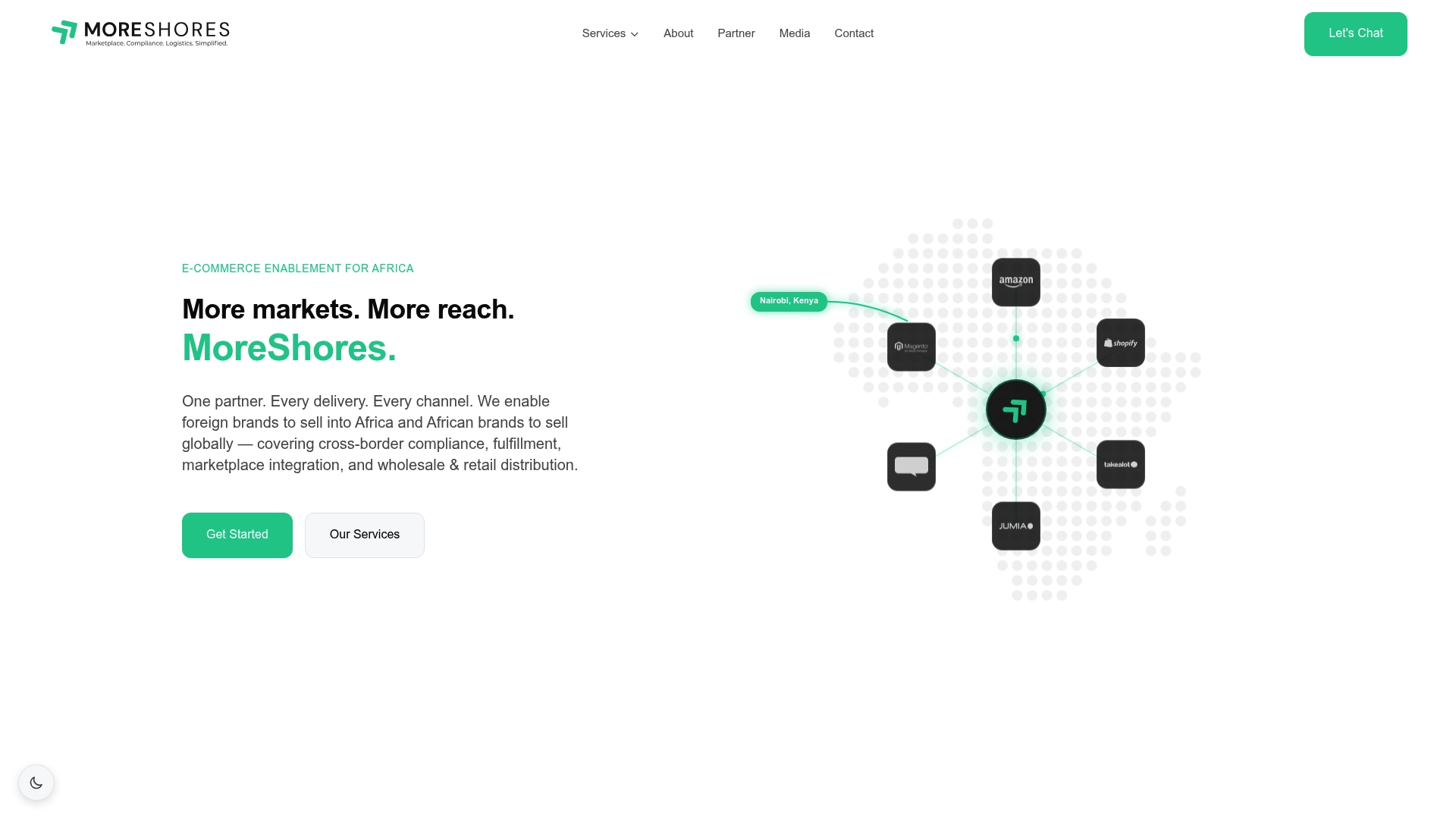
Acts as an Importer of Record to handle customs clearance, duties, and VAT across African territories, removing the need for many brands to set up local entities. The platform combines fulfillment, compliance, and marketplace listing under one operational dashboard for cross-border sellers.
Core Features
Provides end-to-end cross-border commerce capabilities covering customs, duties, VAT, and automated compliance checks. The service includes warehousing, pick-and-pack, and inventory management with multi-courier fulfillment options.
Marketplace listing and distribution tools let you publish across Takealot, Amazon, Jumia, and Kilimall while centralizing price and inventory control. Wholesale and retail distribution functions support in-country retail channels as well as online marketplaces.
Key Differentiator
MoreShores functions as an integrated gateway that combines compliance, fulfillment, and marketplace management specifically for Africa and cross-border trade. That single vendor model reduces coordination overhead between customs brokers, warehouses, and listing teams and shortens the operational handoffs that typically slow launches into African markets.
Pros
-
Specialized Africa expertise reduces surprises at import. The team handles duties, VAT, and regulatory clearance so your operations team does not become the customs expert.
-
Centralized listing control keeps inventory and pricing consistent across Shopify, WooCommerce, Amazon, and regional marketplaces, lowering oversell risk.
-
Multi-courier fulfillment and local warehousing let you route orders from closer distribution points, which cuts last-mile transit time for customers.
-
Vendor materials state a high client retention rate and many active brands, which suggests the service model works for repeat business; that retention claim supports confidence during vendor selection.
Cons
- Public pricing is limited and the platform may require custom engagement for very large or highly specialized enterprise needs, which adds time to procurement cycles.
Notable Integrations
Connects directly to major storefronts and marketplaces including Shopify, WooCommerce, Magento, Amazon, Takealot, Jumia, Kilimall, and SAP. These integrations enable inventory sync, order routing, and listing updates from a central control panel.
Who It’s For
Brands and merchants that need to sell into or out of Africa without forming local entities will benefit most. Ideal users include African brands expanding internationally, international brands launching on African marketplaces, and companies that prefer a single vendor for import compliance plus fulfillment.
Unique Value Proposition
You can launch into multiple African marketplaces without creating a local legal entity. That reduces upfront legal and tax setup and lets you test channels quickly while MoreShores handles import compliance, duties, and warehousing logistics on your behalf.
Real World Use Case
An African fashion label lists sneakers on Amazon and Jumia while MoreShores clears inbound shipments as Importer of Record, stores stock in Lagos warehouses, and fulfills marketplace orders through local couriers. The brand avoids local company formation and shortens time to market.
Pricing
Pricing details are not published on the site and appear to be tailored by client size and scope. Expect a custom proposal based on volumes, warehousing needs, and the number of marketplace integrations required.
Website: https://moreshores.com
Eazybranch
At a Glance
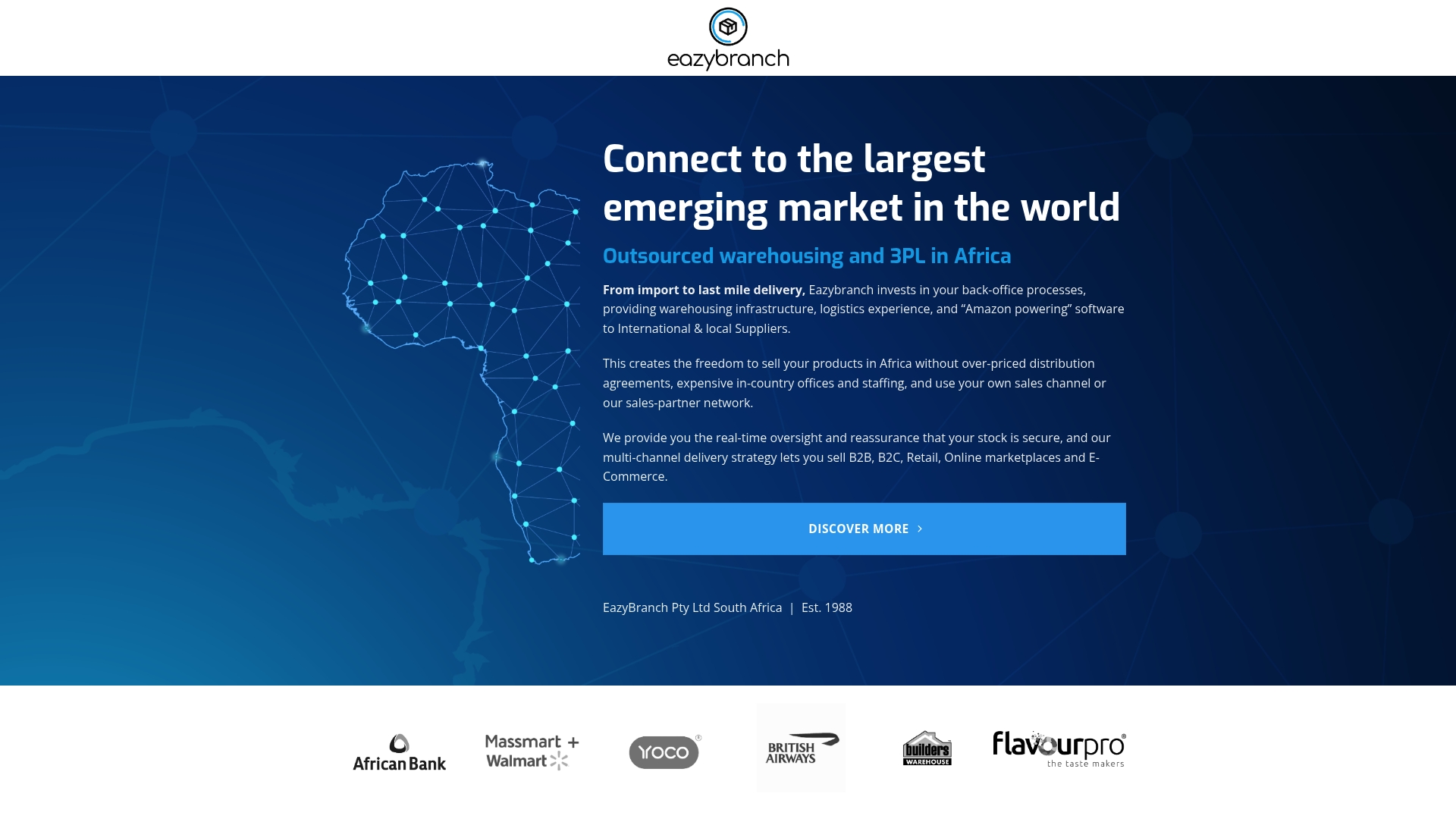
Eazybranch reports it was established in 1988 and advertises more than 35 years of African fulfillment experience. That tenure is paired with a pay as you go warehousing model and a claim of broad system integrations.
The offering centers on real time inventory oversight and multi channel delivery within South Africa and neighboring markets. The pitch is operational depth rather than low cost entry level warehousing.
Core Features
- Pay as you need warehousing billed for space and activity used, which reduces fixed overhead for seasonal sellers.
- Real time logistics software offering visibility into stock, orders, and fulfilment status across sites.
- API enabled order processing and automated fulfilment that links to online shops for direct picking and packing.
Key Differentiator
Eazybranch pairs claimed long standing local operations with a flexible billing model and live inventory control. That combination targets brands that need both local knowledge and on demand capacity without long term warehouse leases.
Pros
- Flexible pay per use warehousing lowers standing costs for sellers with variable volumes. This helps you avoid unused space fees during slow months.
- The vendor advertises over 100 integrations with e commerce and ERP systems which simplifies sync with existing storefronts and back end tools.
- End to end logistics service covers storage, picking, packing, delivery, and returns so you can consolidate vendors under one contract.
- Deep local experience in South Africa gives practical handling for regulatory or carrier quirks most global providers miss.
Cons
- Website structure is complex and dense which makes it hard to find specific rate examples or SLA details quickly.
- Pricing detail is limited and appears to rely on custom quotes, so budget planning requires direct engagement with sales.
- Some third party reviews note occasional delays or customer service friction which are common in complex regional logistics.
When It May Not Fit
If you need immediate, published rate cards to feed automated costing engines, Eazybranch will slow down procurement. If you need guaranteed transit times across every corridor, the regional infrastructure risks listed above may not match your reliability needs.
Notable Integrations
The integrations claim above focuses on e commerce platforms and ERP systems rather than a single marketplace. Expect connectors intended for order routing, inventory sync, and shipping label generation rather than bespoke middleware.
Who It’s For
Mid sized to large e commerce brands and international retailers that need scalable, tech driven warehousing across South Africa and nearby markets. Best when you value operational local presence over a lowest price pitch.
Real World Use Case
A South African online retailer hands inventory and fulfilment to Eazybranch to handle peak season orders. Eazybranch manages stock, processes marketplace orders through its API links, and routes deliveries across multiple local couriers, reducing internal headcount pressure.
Pricing
Pricing is not published on the site and the listing is informational. You should plan for custom quotes and a commercial discussion to understand storage rates, picking fees, and channel delivery charges.
Website: https://eazybranch.com
Eezi
At a Glance
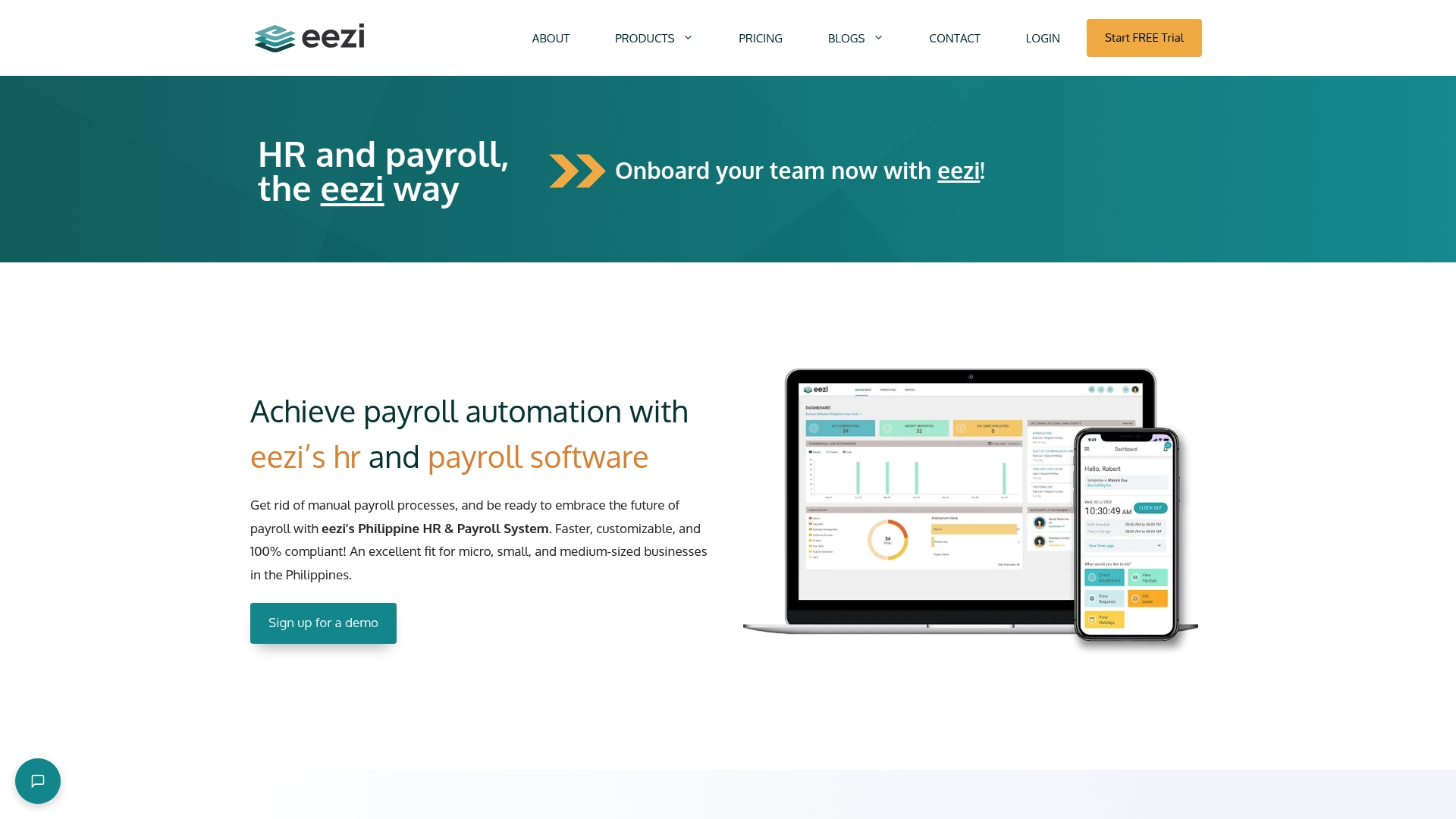
Eezi’s marketing materials advertise a TRAIN Law-ready payroll engine built for small and medium businesses in the Philippines. The vendor also highlights mobile access for employees and a focus on configurable payroll items that match local tax and contribution rules.
Core Features
- Payroll automation that handles allowances, bonuses, deductions, and contributions specific to Philippine rules.
- HR information management with employee record digitization and self service via a mobile app.
- Timekeeping and attendance tracking for on-site and remote workers with basic shift and overtime support.
- Analytics and reporting tools that produce government reports and internal payroll summaries.
- Configurable payroll items and templates to reduce manual calculations and paperwork.
Key Differentiator
That TRAIN Law-ready positioning above is the real angle. Eezi packages compliance checks and configurable payroll items so payroll administrators spend less time reconciling statutory contributions. The emphasis on local rules and a mobile employee experience narrows its focus to Philippine payroll workflows.
Pros
-
The interface is easy to pick up for HR teams new to digitized payroll which lowers day one friction.
-
Configurable payroll items let you model complex allowances and deductions without spreadsheets which reduces calculation errors.
-
Automates government reporting which helps keep payroll filings consistent with local requirements.
-
Mobile access gives employees payslip visibility and leave requests from their phones which cuts support ticket volume.
-
Responsive support and documentation are reported by buyers as helpful during setup and early payroll runs.
Cons
-
Initial setup and the learning curve can be challenging for teams without a payroll specialist.
-
No global payroll or international integration capabilities so managing payroll outside the Philippines is not supported.
-
Scalability is limited for very large enterprises since the product targets micro through medium sized businesses.
When It May Not Fit
If your company runs payroll in multiple countries you will find Eezi too narrowly focused on Philippine rules. Also teams that need enterprise grade HRIS features such as advanced role based access or complex organizational hierarchies will outgrow it faster than an off the shelf global payroll vendor.
Who It’s For
Small and medium businesses operating in the Philippines that need a cost conscious system to replace spreadsheets and to reduce manual compliance work. Best for employers that have clear local payroll needs and either a small in house HR team or an external payroll partner.
Real World Use Case
A Philippine retail chain moved payroll processing and HR records into Eezi. Payroll runs became more consistent and manual errors declined. Staff access payslips and leave balances on the mobile app which reduced calls to HR and freed one admin half a day each payroll cycle.
Pricing
Pricing is not listed publicly and is provided upon request or during trial sign up. The vendor offers a trial period and supporting resources so you can validate payroll configuration against your company rules before committing.
Website: https://eezi.com
Cross-Border Ecommerce Fulfillment Alternatives
Cross-border ecommerce fulfillment involves navigating complex logistics and compliance requirements across regions. Below is a comparative analysis of three potential providers—MoreShores, Eazybranch, and Eezi—offering solutions tailored to diverse operational needs.
Operational Model Efficiency
MoreShores shines in its integrated approach to cross-border ecommerce within Africa. By combining import compliance and marketplace listing tools, it minimizes the need for multi-vendor coordination, making it ideal for businesses aiming for streamlined operations. On the other hand, Eazybranch offers a flexible pay-per-use warehousing model which appeals to sellers managing seasonal fluctuations in inventory with variable demand. This model includes detailed real-time visibility into logistics, making it a better fit for operations concentrated within South Africa and its neighboring area. Eezi, while unrelated to cross-border ecommerce, specializes in local payroll management for Philippine companies, which eliminates manual reporting efforts for compliance tasks.
Geographic Focus and Expertise
MoreShores targets Africa uniquely, providing simplified access by acting as an Importer of Record while handling VAT duties and customs clearance. Its specialized African focus maximizes its effectiveness for brands expanding into these markets. Conversely, Eazybranch’s core strength lies in its decades-long history within South Africa, reinforcing logistic adaptability to the region’s standards and practices. However, Eezi caters to small and medium businesses in the Philippines, limiting its relevance to those pursuing cross-border ecommerce within African regions.
Best Fit Recommendations
- For businesses seeking direct entry to African marketplaces without establishing local entities, MoreShores is an exceptional choice due to its import compliance and marketplace integration.
- For regional e-commerce brands within South Africa needing adaptable warehousing despite fluctuating inventory, Eazybranch offers effective options without long-term commitments.
- For Philippine-based companies focusing on local HR and payroll automation, Eezi provides reliable solutions tailored to statutory compliance.
Our Pick
MoreShores stands out for businesses exploring African expansion as it unifies import logistics and multi-platform marketplace management. However, if inventory scaling needs within South Africa are, brands might find Eazybranch better suited for its flexible warehousing and local experience model.
For those targeting Africa without forming local entities, MoreShores facilitates market entry through compliance management and streamlined fulfillment across a centralized platform for expedited scaling.
Cross-Border Ecommerce Fulfillment Platforms Comparison
Choosing the right platform depends on capabilities for customs clearance, fulfillment, and compliance in cross-border ecommerce operations.
| Platform | Core Feature | Key Differentiator | Best For | Pricing | Notable Limitation |
|---|---|---|---|---|---|
| Moreshores | End-to-end cross-border commerce capabilities | Integrated compliance, fulfillment, and marketplace management | Merchants selling into or out of Africa | Not disclosed | Requires custom engagement for specialized enterprise needs |
| Eazybranch | Pay-as-you-need warehousing; logistics software | Local knowledge with flexible billing model | Mid-sized to large South African ecommerce brands | Not disclosed | Complex website hinders quick rate and SLA discovery |
| Eezi | Payroll automation and analytics | TRAIN Law-ready compliance engine | Philippine small to medium businesses | Not disclosed | Limited to Philippine payroll; no global integration |
Discover a Better Cross-Border Fulfillment Solution with MoreShores
If you are exploring eazybranch.com alternatives to overcome challenges like complex pricing, limited marketplace integrations, and regional fulfillment bottlenecks, MoreShores offers a compelling option designed specifically for seamless African market entry and international expansion. Unlike platforms that require heavy local commitments or custom quotes, MoreShores acts as your Importer of Record handling duties, VAT, and customs clearance while providing centralized inventory and listing control across multiple marketplaces such as Takealot, Amazon, and Jumia.
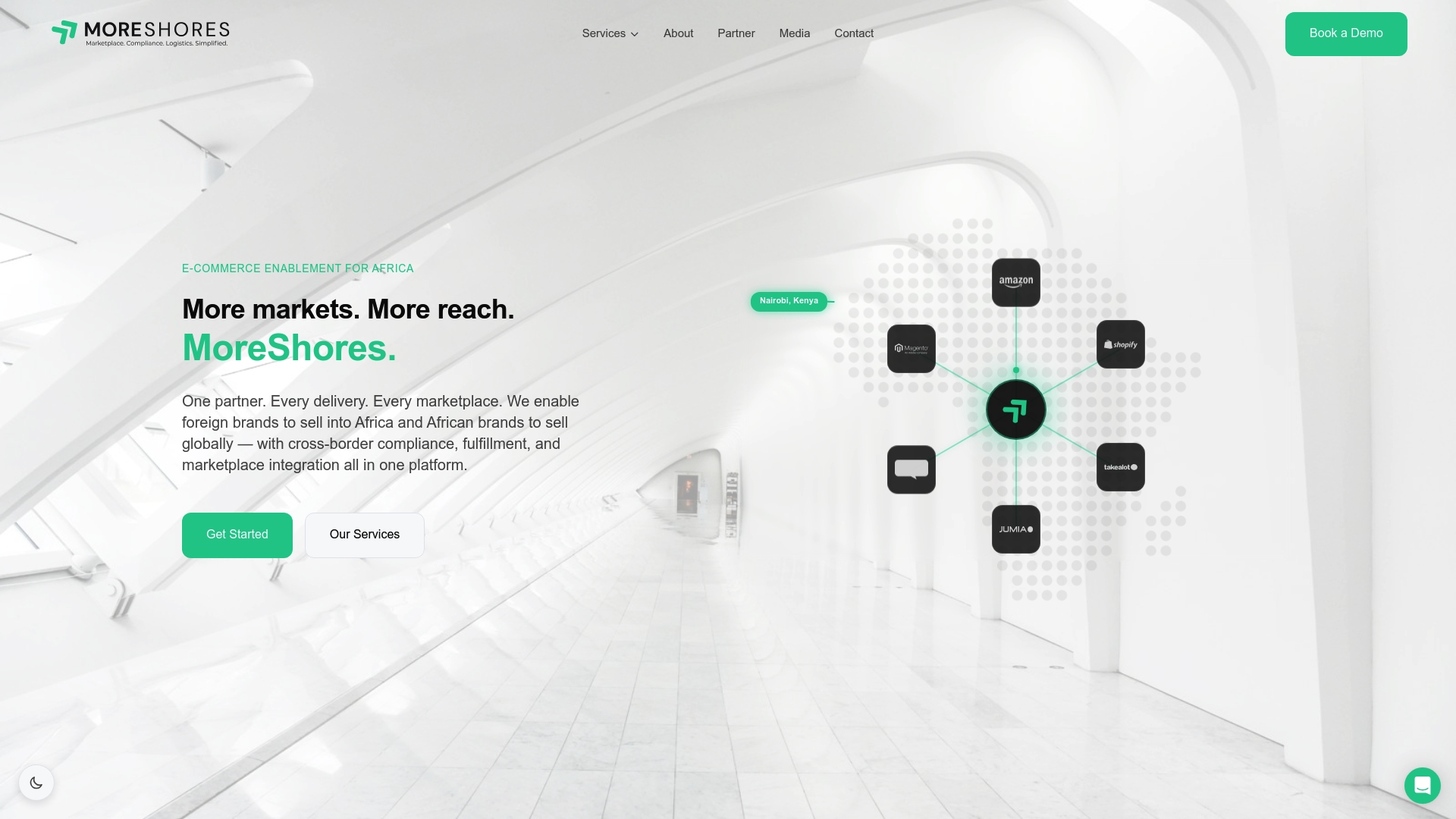
Take control of your African e-commerce operations with MoreShores’ multi-courier fulfillment and warehousing, all managed via one intuitive dashboard. Visit MoreShores to learn how you can list your products faster and avoid the hassle of local entity formation. Request a personalized demo and import your first shipment with confidence today.
Frequently Asked Questions
What cross-border ecommerce capabilities does Moreshores offer that make it a strong alternative to Eazybranch?
Moreshores specializes in end-to-end cross-border commerce functionalities, including customs clearance, duties, and VAT handling. The platform combines fulfillment, compliance, and marketplace listing under one operational dashboard, making it easier for brands to manage multiple aspects of cross-border sales.
How does Moreshores stand out compared to Eazybranch when it comes to marketplace integration?
Eazybranch is known for its extensive integration capabilities with over 100 e-commerce and ERP systems, simplifying the management of various platforms. In contrast, Moreshores offers seamless connections specifically for marketplaces like Amazon, Jumia, and others, allowing for centralized inventory and pricing control across these platforms.
Which platform is better for businesses looking to expand into African markets, Moreshores or Eazybranch?
Moreshores is tailored for brands that want to enter African marketplaces without establishing local entities, thus lowering legal and tax burdens. This makes it more suitable for companies focusing on cross-border trade in Africa, whereas Eazybranch is more suited for businesses seeking flexible warehousing solutions in South Africa and neighboring markets.
Does Moreshores support compliance checks for taxes and duties?
Yes, Moreshores handles automated compliance checks for duties and VAT across African territories, which helps brands avoid surprises during the import process. This feature significantly reduces the need for brands to become experts in customs regulations themselves.
What is the pricing model for Moreshores, and how does it compare to Eazybranch?
Moreshores does not publicly list its pricing as it tailors proposals based on client size and needs, similarly to Eazybranch’s custom quote approach. Brands should prepare for individual assessments to understand costs associated with warehousing, volumes, and marketplace integrations.