Inventory management for B2B: A guide to cross-border success

TL;DR:
- African cross-border logistics costs are significantly higher, reaching 30-40% of product value.
- Digital customs platforms and real-time tracking improve efficiency and visibility in African trade.
- Successful brands adapt inventory strategies to local conditions, focusing on diversification and regional partnerships.
Inventory management is hard enough within a single market. Add African cross-border trade to the equation and the complexity multiplies fast. Logistics costs can reach 30-40% of product value in African cross-border e-commerce, far exceeding the under-10% benchmark common in advanced economies. For B2B brands entering or expanding across African markets, that gap isn’t just a number. It’s the difference between a profitable operation and one that bleeds margin at every border crossing. This guide covers the fundamentals of B2B inventory management, the unique challenges in African cross-border trade, the digital tools reshaping the landscape, and practical strategies you can apply right now.
Table of Contents
- Understanding B2B inventory management
- Challenges in African cross-border inventory management
- Digital solutions for B2B inventory management
- Strategies to optimize B2B inventory for cross-border trade
- Why brands must rethink inventory management for Africa
- How MoreShores streamlines B2B inventory for African cross-border trade
- Frequently asked questions
Key Takeaways
| Point | Details |
|---|---|
| Unique African challenges | B2B inventory management in Africa involves costly logistics, frequent delays, and fragmented regulation. |
| Digital solution advantages | Digital tools like customs platforms and real-time tracking can cut logistics costs and boost reliability. |
| Diverse strategies needed | Optimizing inventory requires diversified routes, regional partnerships, and adaptable management frameworks. |
| Local adaptation wins | Brands that flexibly adapt inventory approaches outperform those relying on Western-standard methods. |
Understanding B2B inventory management
In the B2B context, inventory management means more than counting stock on a shelf. It means tracking goods across multiple locations, coordinating with suppliers, freight forwarders, customs brokers, and warehouse operators, and making sure the right volumes arrive at the right time for business buyers. Unlike B2C, where individual orders are small and frequent, B2B involves bulk shipments, longer lead times, and more stakeholders with competing priorities.
For international brands operating in African markets, this complexity grows further. Consider what a single cross-border shipment might involve:
- Multiple border crossings with different regulatory frameworks
- Varying VAT and duty structures across countries
- Port congestion that can delay shipments by days or weeks
- Warehousing constraints in destination markets
- Limited visibility into real-time stock levels across regions
Each of these layers adds risk. A delay at one node cascades through the whole supply chain. A miscalculation in duties can freeze goods at customs for weeks. For B2B brands, those delays don’t just affect one customer. They affect entire distribution networks, retail partners, and marketplace commitments.
Understanding fulfillment logistics for B2B across Africa also requires recognizing that supply chains here don’t mirror Western models. Infrastructure gaps, inconsistent carrier networks, and fragmented regulations mean that standard operating procedures built for European or North American markets often fail when applied directly to African routes.
Regulatory fragmentation and infrastructure gaps increase complexity significantly in African cross-border logistics, making it essential to build systems that account for variability rather than assuming predictability.
Pro Tip: Build redundancy into your supply network from the start. Relying on a single route, carrier, or warehouse location creates a single point of failure. Having backup options ready reduces disruption risk when the inevitable delays occur.
Finding a reliable B2B logistics partnership is one of the most effective ways to manage this complexity without building the infrastructure yourself.
Challenges in African cross-border inventory management
Now that we’ve defined inventory management, let’s address the specific cross-border challenges international brands face in Africa. These aren’t minor inconveniences. They are structural realities that require deliberate planning.
“Infrastructure gaps and non-tariff barriers inflate logistics costs to 30-40% of product value in Africa, compared to under 10% in advanced economies.”
The most common pain points B2B managers report include:
- Unpredictable dwell times: Goods can sit at ports for 20 to 30 days due to congestion and documentation issues
- Non-tariff barriers (NTBs): Inspection requirements, licensing demands, and product standards that vary by country
- Customs delays: Inconsistent enforcement and manual processing slow clearance significantly
- Fragmented regulations: Each country operates under different trade rules, making compliance a moving target
- Limited tracking visibility: Many logistics providers in the region still lack real-time shipment tracking
Here’s a quick comparison of how African cross-border logistics stack up against advanced economy benchmarks:
| Factor | Advanced Economies | African Cross-Border |
|---|---|---|
| Logistics cost (% of product value) | Under 10% | 30 to 40% |
| Average port dwell time | 2 to 4 days | 20 to 30 days |
| Customs processing | Largely automated | Often manual |
| Regulatory consistency | High | Fragmented |
| Real-time tracking availability | Widely available | Limited |
These aren’t insurmountable obstacles, but they require a strategy built specifically for African conditions. A brand that manages its marketplace integration for cross-border trade without accounting for these realities will consistently face stockouts, overstocking, and customer dissatisfaction.

Understanding your brand onboarding for cross-border inventory is a critical first step toward building a system that accounts for these variables from day one.
Digital solutions for B2B inventory management
With the challenges mapped, let’s look at how digital solutions are reshaping inventory for B2B brands operating across African borders. The good news is that technology is catching up fast, and early adopters are seeing measurable results.
Key digital innovations transforming African cross-border trade include:
- Digital customs platforms: Automated documentation reduces processing time and minimizes human error
- One-stop border posts (OSBPs): Shared border facilities between neighboring countries allow goods to clear customs once instead of twice
- AfCFTA frameworks: The African Continental Free Trade Area agreement is progressively reducing tariffs and harmonizing trade rules across member states
- Real-time inventory tracking systems: Cloud-based platforms provide visibility across multiple warehouses and borders simultaneously
Here’s how digital tools compare to traditional approaches on key performance metrics:
| Metric | Traditional Approach | Digital Approach |
|---|---|---|
| Customs clearance time | 5 to 15 days | 1 to 3 days |
| Documentation error rate | High | Low |
| Inventory visibility | Delayed or manual | Real-time |
| Cost as % of product value | 30 to 40% | 15 to 25% (estimated) |
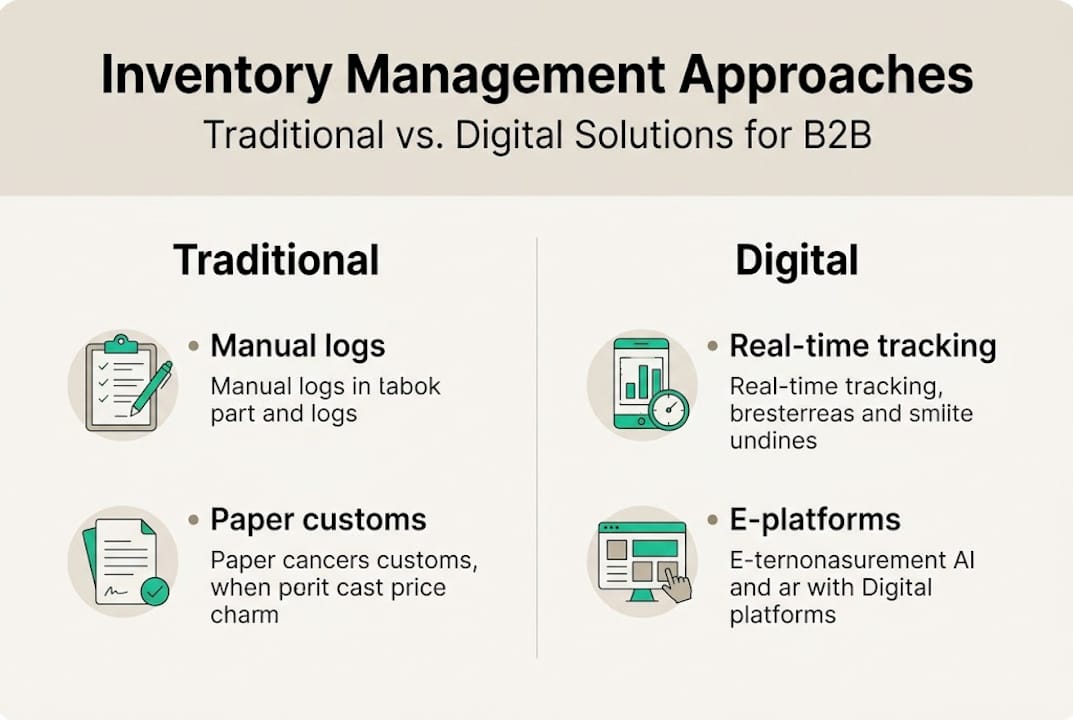
Digital customs and AfCFTA help mitigate regulatory fragmentation and reduce logistics costs across African routes, making them essential tools for any B2B brand operating at scale.
Here’s a step-by-step approach to implementing real-time tracking across multiple African borders:
- Audit your current tracking gaps: Identify where visibility drops in your existing supply chain
- Select a platform with regional coverage: Choose a tracking system that has established carrier integrations across your target African markets
- Integrate with your inventory management system: Connect tracking data directly to your stock management tools for automatic updates
- Set threshold alerts: Configure notifications for delays, dwell time breaches, or customs holds
- Review and refine regularly: Use data from each shipment cycle to improve routing and carrier selection
Pro Tip: Start with a hybrid system before going fully digital. Use digital tools for documentation and tracking while maintaining manual oversight at high-risk border crossings. This gives you speed without losing control during the transition period.
Exploring e-commerce integration for inventory and connecting with established cross-border inventory platforms accelerates this process significantly.
Strategies to optimize B2B inventory for cross-border trade
Digital solutions unlock new potential. Now here’s how to turn them into practical strategies for your B2B inventory operations across Africa.
The brands that consistently outperform in African cross-border trade share a few common practices:
- Diversified supply routes: Never rely on a single corridor. Spread shipments across multiple routes to reduce exposure to any one disruption point
- Predictive analytics: Use historical data to anticipate demand shifts, seasonal patterns, and border bottlenecks before they occur
- Strategic warehousing: Position stock closer to key markets to shorten last-mile delivery times and reduce customs exposure
- Local market expertise: Partner with operators who understand the regulatory and logistics environment in each target country
- Flexible supplier agreements: Build contracts that allow volume adjustments without heavy penalties when demand fluctuates
Diversifying routes and real-time tracking systems are among the most effective ways to mitigate logistics risks in African cross-border operations.
Here’s a numbered framework for building a resilient B2B inventory network across African markets:
- Map your risk exposure: Identify which borders, routes, and carriers carry the highest disruption risk in your current network
- Establish regional anchor points: Set up primary warehousing hubs in key markets such as South Africa, Kenya, Nigeria, or Egypt
- Diversify carrier relationships: Work with at least two or three logistics providers per corridor to maintain flexibility
- Implement demand-driven replenishment: Use sales data from your African e-commerce solutions channels to trigger restocking automatically
- Build compliance into the process: Assign a dedicated compliance resource or partner to manage duties, VAT, and documentation for each market
- Test and iterate: Run pilot shipments on new routes before committing full volumes, and refine based on real performance data
Building this kind of network takes time, but every step reduces your exposure and improves your ability to scale. Leveraging cross-border reliability techniques from experienced operators shortens the learning curve considerably.
Why brands must rethink inventory management for Africa
After exploring strategies, it’s worth addressing what most brands still overlook about African cross-border inventory. The most common mistake we see is when global brands assume African logistics will eventually mirror Western standards. That assumption creates a dangerous blind spot.
Africa’s logistics environment is dynamic, not deficient. It operates under different rules, different incentives, and different constraints. Brands that wait for the infrastructure to “catch up” miss the window to build competitive advantage while the market is still developing.
“Brands must adapt inventory management to Africa’s dynamic logistics environment for sustainable growth, not standardize it.”
Sustainable growth comes not from standardization, but from local adaptation. The brands winning in African markets right now are not the ones with the most sophisticated global supply chains. They’re the ones who found the right local partners, built flexible networks, and invested in understanding regional nuances.
We’ve seen brands cut their logistics costs significantly not by applying global playbooks, but by rethinking their African strategy entirely. Finding the right African logistics partnerships is often the single highest-leverage decision a B2B brand can make when entering these markets.
How MoreShores streamlines B2B inventory for African cross-border trade
Every challenge covered in this article, from customs delays to regulatory fragmentation to warehousing complexity, is exactly what MoreShores is built to solve. We act as your Importer of Record, manage duties and VAT compliance, and provide warehousing and fulfillment through a multi-courier network across African markets.
Our cross-border enablement services connect your inventory directly to African consumers through marketplaces like Takealot, Jumia, and Kilimall. Our fulfillment logistics solutions handle the physical movement of goods, while our marketplace integration keeps your listings synchronized and your stock levels accurate. If you’re ready to move from complexity to clarity, let’s talk about what a tailored cross-border strategy looks like for your brand.
Frequently asked questions
What makes B2B inventory management in Africa different from other regions?
African cross-border trade faces logistics costs up to 40% of product value, port dwell times of 20 to 30 days, and a fragmented regulatory environment that simply doesn’t exist at this scale in advanced economies.
How can digital platforms improve inventory management for B2B brands?
Digital customs and AfCFTA reduce regulatory fragmentation, and real-time tracking platforms give B2B brands the visibility they need to manage multi-border inventory flows without constant manual intervention.
What is the best way to optimize inventory for cross-border trade into Africa?
Diversified routes and real-time tracking systems mitigate logistics risks most effectively when combined with local partnerships that provide on-the-ground expertise in each target market.
Why is adaptation more important than standardization in African B2B inventory management?
Local adaptation addresses variable infrastructure and regulations directly, while standardization often ignores them. Adapting inventory management to Africa’s dynamic environment is what drives sustainable growth, not applying global templates to local conditions.